If you're asking this question, you're already ahead of a lot of businesses. Maybe your facility just generated its first batch of process water. Maybe you've inherited a site and aren't sure what the previous operator was doing. Maybe you've been pouring something down the floor drain for years and someone just told you that might be a problem.
Whatever brought you here — good. Let's start from the beginning.
First Question: Can I Put It Down the Drain?
This is the most common question we get from first-time generators, and the answer is: it depends — but you need to find out before you dispose of it.
In the United States, what you can legally discharge to a drain, sewer, or septic system is regulated at the federal, state, and local level. The general framework works like this:
▶ If you're connected to a municipal sewer system (POTW)
Your local publicly owned treatment works (POTW) sets limits on what it will accept. These are called pretreatment standards. Things like pH, metals, oils, solvents, and specific chemicals are often restricted or prohibited. You may need a local industrial pretreatment permit before you can discharge anything at all.
▶ If you're on a septic system
Septic systems are not designed to handle industrial waste. Discharging anything beyond normal sanitary waste to a septic system is almost always prohibited and can result in significant fines and remediation costs.
▶ If you're planning to discharge to a storm drain
Stop. Storm drains flow directly to local waterways with little or no treatment. Discharging industrial wastewater to a storm drain is illegal under the Clean Water Act and carries serious penalties.
So How Do I Know What I Have?
You don't have to figure this out alone, but you do need to know what's in your wastewater before anyone — including us — can tell you what to do with it.
Start by asking these questions:
What process generated this water?
Did it come into contact with chemicals, oils, metals, cleaning agents, coatings, food byproducts, or other materials? The source of the water usually tells you a lot about what's in it.
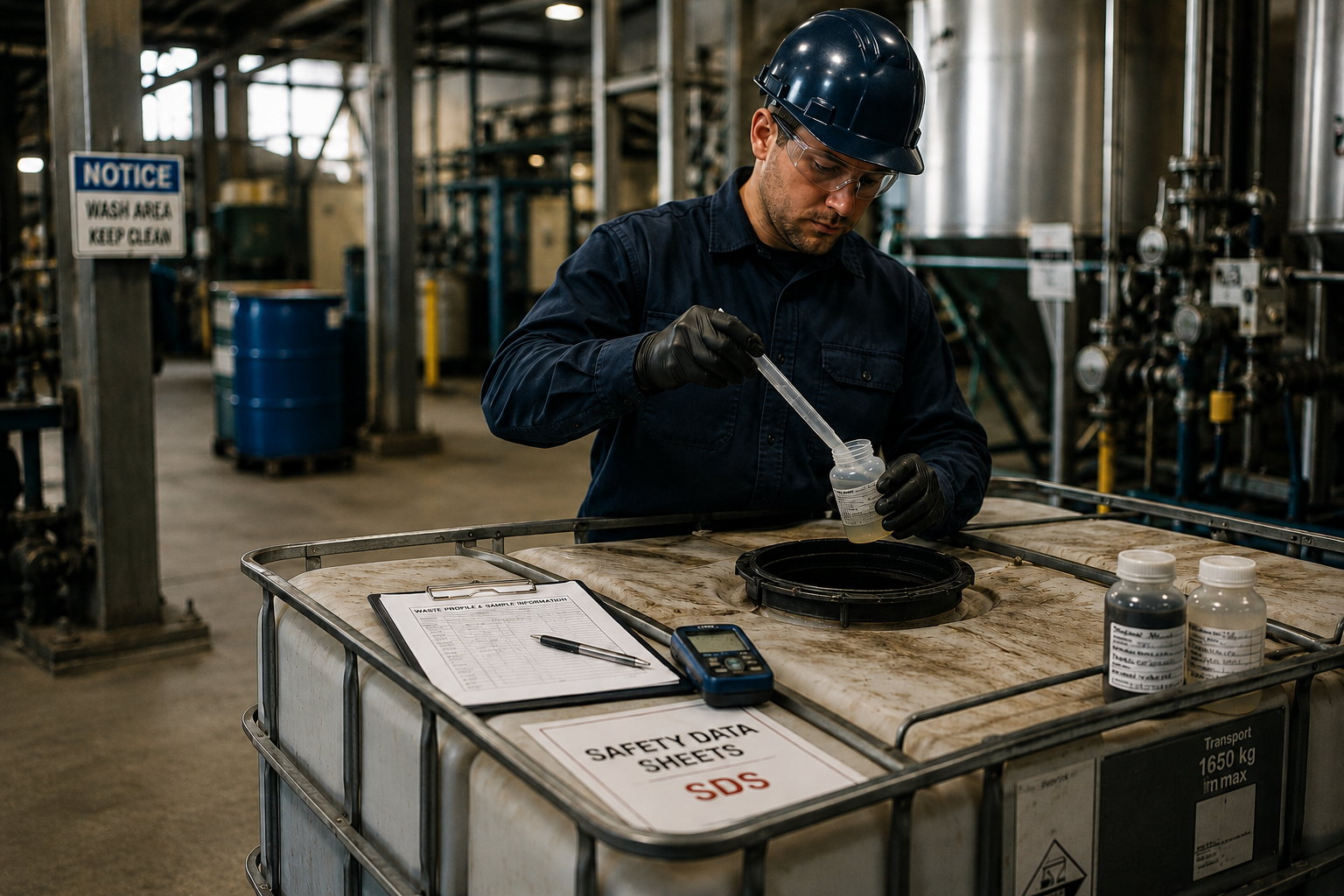
Do you have a Safety Data Sheet (SDS) for any materials involved?
If your wastewater contacted chemicals that have an SDS, that document will contain information about environmental hazards, disposal requirements, and regulatory classifications.
Is the waste classified as hazardous under EPA or state regulations?
Under the Resource Conservation and Recovery Act (RCRA), certain wastes are classified as hazardous based on their characteristics (ignitability, corrosivity, reactivity, toxicity) or because they appear on specific EPA lists (F-list, K-list, P-list, U-list). Hazardous liquid waste has very specific disposal requirements and cannot be handled by just any hauler.
Has it been tested?
For many industrial waste streams, you'll want a laboratory analysis — often called a waste profile or waste characterization — before a licensed disposal facility will accept it. This tells everyone in the chain exactly what they're dealing with.
If you're not sure where to start, that's exactly what we're here for. We can walk you through the characterization process and connect you with the right disposal solution based on what you have.
The Three Basic Categories
Once you know what you're dealing with, most industrial wastewater falls into one of three categories:
Approved for Drain Discharge (with or without pretreatment)
Some wastewater streams — after testing and review — may be approved for discharge to the municipal sewer with or without on-site pretreatment (pH adjustment, oil/water separation, etc.). This requires proper permits and ongoing compliance monitoring.
Non-Hazardous Liquid Waste Requiring Hauling
Wastewater that can't go down the drain but doesn't meet the regulatory definition of hazardous waste still needs to be collected, transported, and disposed of at a licensed facility. This is the most common situation for food processors, light manufacturers, car washes, and many other businesses.
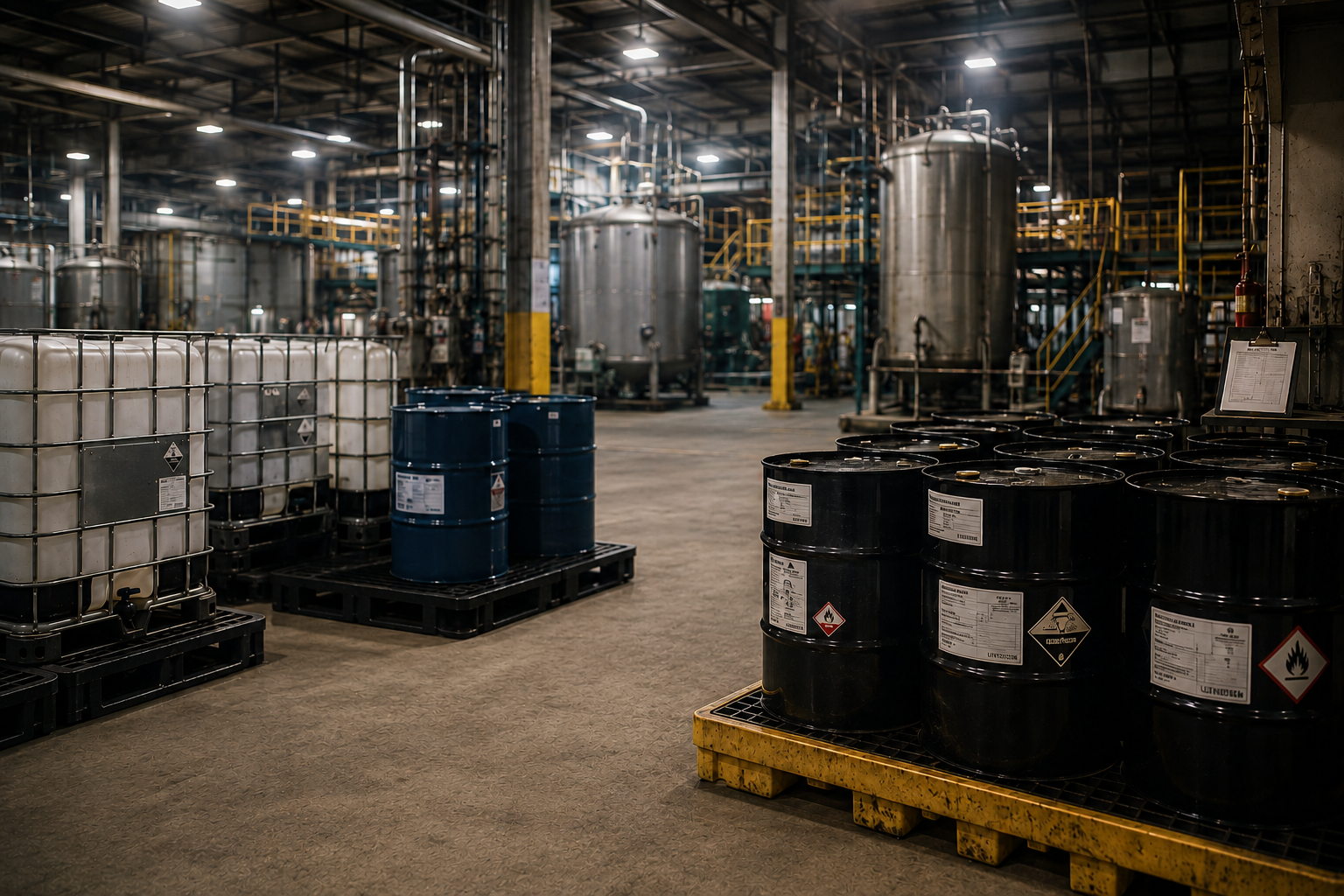
Hazardous Liquid Waste
Wastewater classified as hazardous under RCRA requires a licensed hazardous waste hauler, a Uniform Hazardous Waste Manifest, and disposal at a permitted treatment, storage, or disposal facility (TSDF). The paperwork requirements are strict and the chain of custody matters. ENCON Environmental Services handles both non-hazardous and hazardous liquid waste streams.
What Happens If You Dispose of It Wrong?
This isn't meant to scare you — it's just the reality of operating in a regulated environment.
Improper disposal of industrial wastewater can result in:
- EPA or state enforcement actions with fines ranging from hundreds to thousands of dollars per day, per violation
- Sewer authority violations and possible revocation of discharge permits
- Liability for cleanup costs if contamination is discovered downstream
- Personal liability for facility managers and business owners in cases of knowing violations
What Does the Hauling Process Actually Look Like?
If you've determined that your wastewater needs to be hauled — or you're still not sure and want a professional assessment — here's what working with EES looks like:
You reach out
Call us or submit a request online. Tell us what you have, roughly how much, and where you're located.
Fast & accurate quote
No vague estimates. We'll ask the right questions to make sure we're quoting the right service.
Schedule pickup
We work around your schedule and facility needs.
We handle the rest
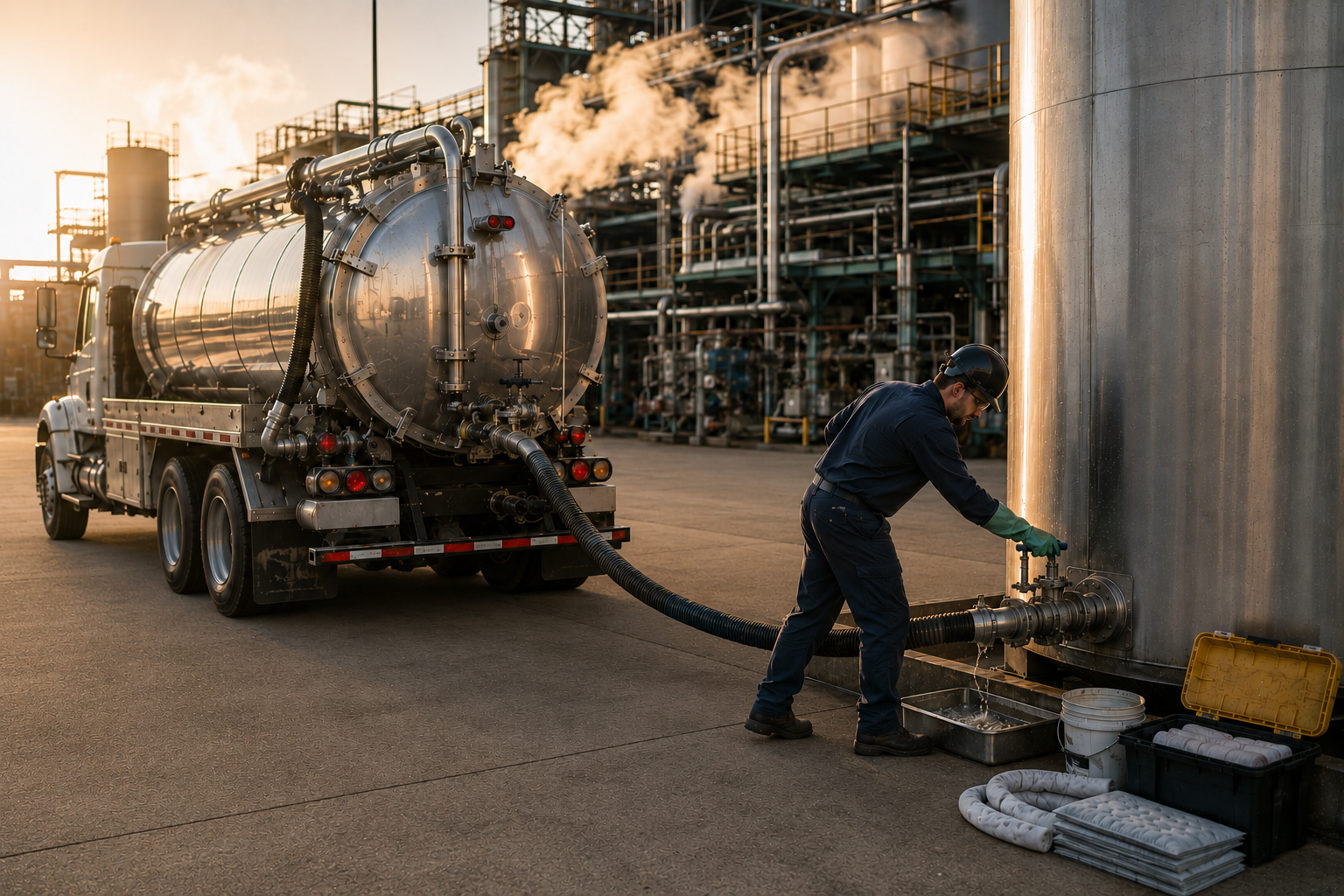
Our licensed drivers and properly permitted vacuum tankers handle collection. Hazardous loads are manifested. Non-hazardous loads are documented.
Compliant disposal and your documentation
Your waste goes to a licensed facility. You get the paperwork that proves it.
Who We Serve
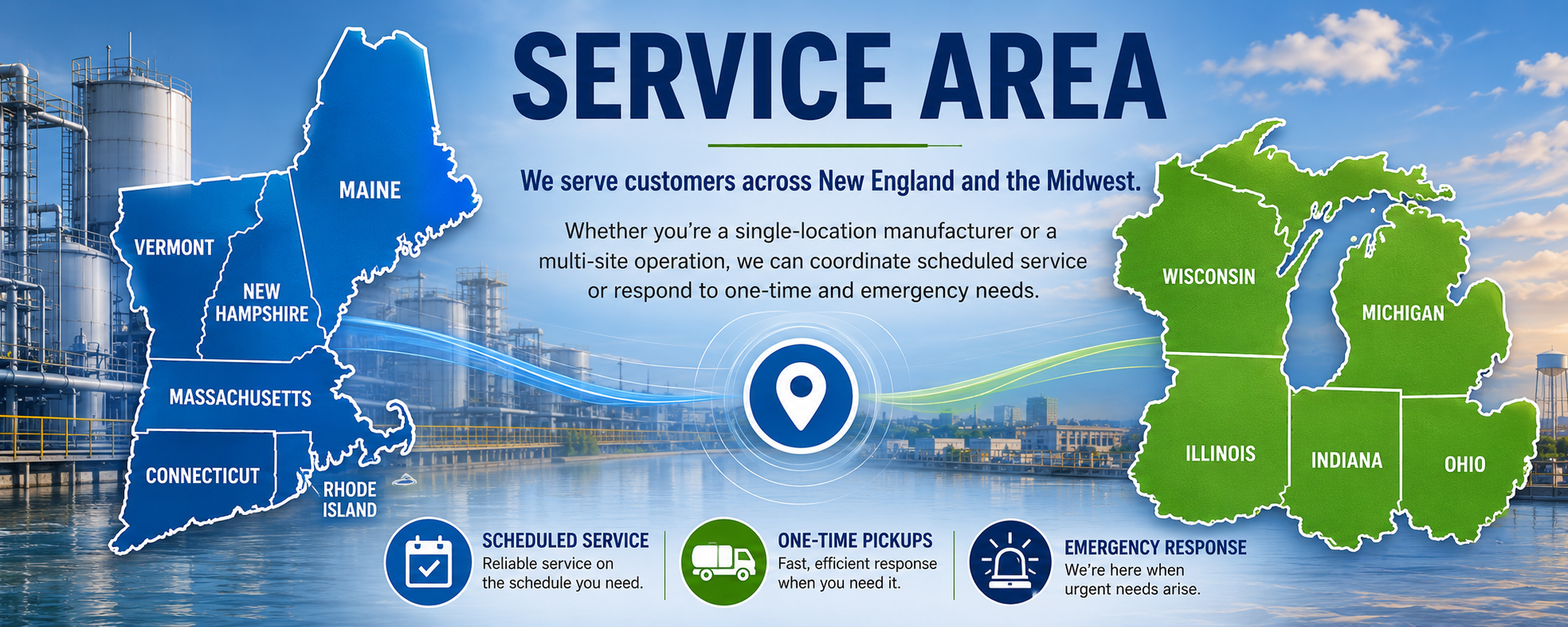
ENCON Environmental Services works with businesses across New England and the Midwest, including:
- Industrial manufacturers — process water, rinse water, cooling water
- Chemical processors — off-spec product, tank bottoms, contaminated solvents
- Food & beverage facilities — wash water, dairy wastewater, high-BOD streams
- Car washes & fleet facilities — oily water, wash water
- Construction & remediation sites — groundwater, contaminated water
- Municipalities — lagoon cleanouts, tank cleaning
Not sure whether we handle what you have? Just ask. Worst case, we'll point you in the right direction.
Ready to Get Started?
You don't need to have everything figured out before you call. Whether you have a clear waste stream ready for pickup or you're at the "I have no idea what I'm doing" stage, we can help you get to the right answer.